Smart Cities Edge Computing: Transforming Urban Life
Introduction
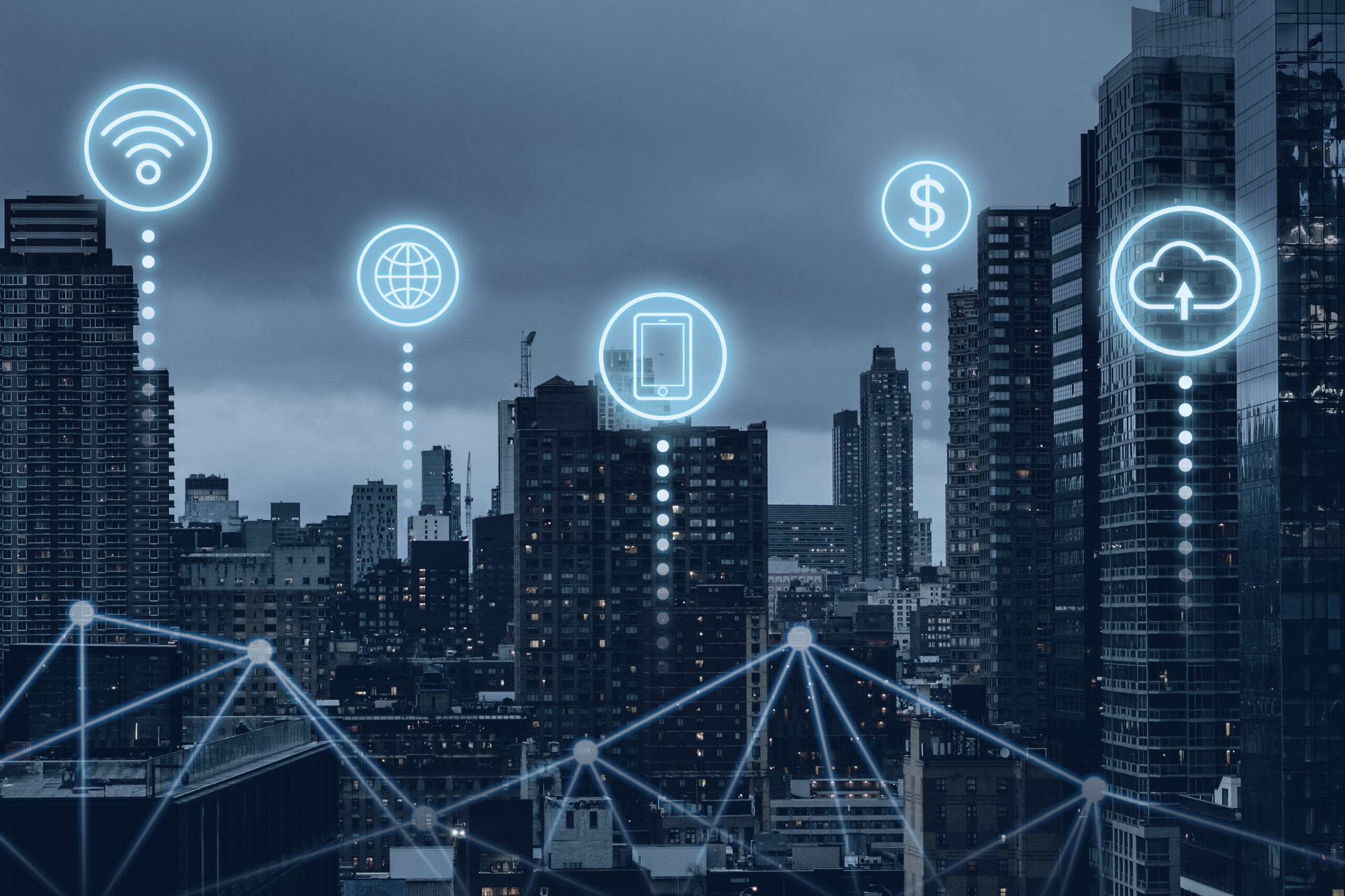
Cities are growing at an unprecedented rate. Urban populations are expanding, traffic congestion is increasing, and public services are under pressure. To address these challenges, modern cities are becoming smarter. The integration of technology into urban infrastructure is creating smart cities. One of the key technologies driving this transformation is edge computing. Edge computing processes data close to the source rather than sending it to centralized servers. This allows cities to respond in real-time to traffic, energy usage, public safety, and environmental changes. In this article, we’ll explore the concept of smart cities edge computing, its benefits, applications, challenges, and future trends.
What Is Smart Cities Edge Computing?
Definition
Smart cities edge computing combines smart city initiatives with edge computing technology. It involves placing computing resources near devices, sensors, and IoT systems across the city. Instead of sending all data to cloud servers, processing happens locally. This reduces latency, improves efficiency, and allows for faster decision-making.
Why It Matters
- Urban environments generate massive amounts of data from traffic lights, sensors, cameras, and public utilities
- Centralized processing can cause delays and overload networks
- Edge computing ensures immediate processing, enabling real-time actions
Key Components of Smart Cities Edge Computing
1. IoT Devices
- Sensors monitor air quality, traffic, energy consumption, and water supply
- Cameras and motion detectors enhance public safety
2. Edge Servers
- Small-scale servers deployed locally to handle data near the source
- Reduce data transmission to centralized data centers
3. Network Infrastructure
- High-speed, low-latency networks connect IoT devices and edge servers
- 5G, fiber optic, and low-power wide-area networks (LPWAN) are commonly use
4. Data Analytics Software
- AI and machine learning analyze data in real-time
- Enables predictive maintenance, traffic management, and resource allocation
5. Centralized Cloud Systems
- Handle large-scale analysis and long-term data storage
- Works alongside edge servers for hybrid processing
Benefits of Smart Cities Edge Computing
1. Real-Time Decision Making
- Traffic lights adjust dynamically based on real-time traffic flow
- Emergency services can respond immediately to incidents
2. Reduced Latency
- Processing data locally avoids delays caused by long-distance transmission
- Essential for autonomous vehicles and surveillance systems
3. Efficient Resource Management
- Optimizes energy distribution and water usage
- Reduces waste and improves sustainability
4. Enhanced Public Safety
- Edge-powered video analytics detect unusual activity instantly
- Enables faster response to emergencies
5. Scalability
- Edge nodes can be added incrementally
- Supports growing urban populations and expanding IoT networks
Applications of Smart Cities Edge Computing
1. Intelligent Traffic Management
- Edge computing processes traffic sensor data locally
- Adjusts signals to reduce congestion and accidents
- Supports autonomous vehicles with low-latency navigation data
2. Smart Energy Grids
- Monitors energy consumption in real-time
- Adjusts supply based on demand
- Reduces power outages and energy waste
3. Environmental Monitoring
- Edge sensors track air quality, noise levels, and water quality
- Provides instant alerts for pollution spikes or hazards
4. Public Safety and Surveillance
- Edge-powered cameras can detect unusual patterns or criminal activity
- Alerts law enforcement immediately, reducing response times
5. Healthcare and Emergency Services
- Monitors hospital equipment, patient vitals, and ambulance routes
- Ensures timely responses in critical situations
6. Waste Management
- Sensors detect when bins are full
- Optimizes collection routes and reduces costs
Challenges of Implementing Edge Computing in Smart Cities
1. High Initial Costs
- Installing edge servers and upgrading network infrastructure can be expensive
- Cities must balance budget constraints with technological needs
2. Data Security
- Localized processing can increase vulnerability if not properly secured
- Requires robust encryption and access control
3. Integration with Existing Systems
- Legacy systems may not support edge computing
- Requires careful planning and upgrades
4. Maintenance and Management
- Distributed edge devices require regular maintenance
- Monitoring multiple nodes across a city can be complex
5. Standardization
- Lack of unified standards for edge computing in smart cities
- Can cause compatibility issues between devices and platforms
Strategies for Successful Implementation
1. Hybrid Architecture
- Combine edge computing with cloud processing
- Use edge for real-time actions and cloud for large-scale analytics
2. Robust Network Infrastructure
- Deploy high-speed, low-latency networks
- Consider 5G, fiber optics, and LPWAN technologies
3. Security Best Practices
- Encrypt data at rest and in transit
- Implement multi-factor authentication and network monitoring
4. Modular Deployment
- Start with critical areas such as traffic or energy management
- Expand gradually to other city services
5. Collaboration with Technology Partners
- Work with vendors, telecom providers, and software developers
- Leverage expertise for seamless deployment
Case Studies of Smart Cities Using Edge Computing
1. Barcelona, Spain
- Smart traffic lights reduce congestion and pollution
- Edge devices monitor water and energy usage across the city
2. Singapore
- Real-time public safety monitoring
- Edge computing supports autonomous public transport systems
3. Amsterdam, Netherlands
- Edge sensors optimize waste collection and energy consumption
- AI analytics provide predictive insights for city planning
4. New York City, USA
- Edge-powered surveillance cameras enhance emergency response
- Traffic data processed locally improves commuter experience
Future Trends
1. 5G Integration
- Ultra-low latency networks improve responsiveness
- Supports IoT, AR/VR applications, and autonomous vehicles
2. AI at the Edge
- Advanced analytics and predictive AI processed locally
- Enables instant decision-making for city operations
3. Energy-Efficient Edge Nodes
- Reduces energy consumption of distributed servers
- Supports sustainable smart city initiatives
4. Blockchain for Security
- Secures distributed data transactions
- Enhances trust in IoT and edge systems
5. Citizen-Centric Services
- Personalized city services powered by edge computing
- Real-time alerts for traffic, safety, and public amenities
Best Practices for Cities
- Prioritize areas with critical real-time needs first
- Adopt modular, scalable edge deployments
- Monitor and maintain edge nodes regularly
- Ensure security protocols are up-to-date
- Collaborate with technology partners for continuous innovation
Conclusion
Smart cities edge computing is transforming urban living. By processing data close to the source, cities can respond faster, operate efficiently, and provide safer, greener, and more connected environments. From traffic management to energy distribution, public safety, and healthcare, edge computing enables cities to handle the demands of growing populations. Investing in edge infrastructure, AI analytics, and secure networks ensures cities remain adaptive, resilient, and ready for the future. In short, the combination of smart city initiatives and edge computing is paving the way for more intelligent, responsive, and sustainable urban centers.
FAQ’s
Q1. What is smart cities edge computing?
It is the use of edge computing technology to process data locally in smart city systems, enabling real-time decision-making and efficiency.
Q2. How does edge computing improve smart cities?
By processing data near the source, it reduces latency, improves responsiveness, and allows immediate action in traffic, energy, and safety systems.
Q3. What are the main applications of edge computing in smart cities?
Traffic management, energy grids, environmental monitoring, public safety, healthcare, and waste management.
Q4. What challenges do cities face in implementing edge computing?
High costs, data security, legacy system integration, maintenance complexity, and lack of standardization.
Q5. What is the future of smart cities edge computing?
Integration with 5G, AI at the edge, energy-efficient nodes, blockchain for security, and citizen-centric real-time services.

Related Posts
Why Network Marketing Wins With Perks

How Smart Glasses Improve Life With Powerful Functions