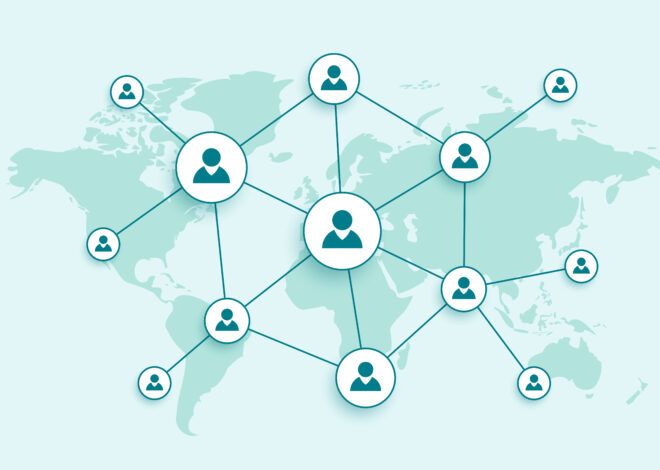
Optimizing Network Efficiency for Today’s Connectivity
Introduction
In today’s digital age, businesses, homes, and devices rely heavily on connectivity. Slow connections, packet loss, or downtime can disrupt operations and productivity. That’s why network efficiency is crucial for maintaining smooth communication and high performance. Network efficiency ensures data flows quickly, reliably, and securely across systems. This article explores the concept, benefits, strategies, challenges, and real-world applications of network efficiency.
What Is Network Efficiency?
Definition
Network efficiency measures how effectively a network uses its resources to transmit data.
It considers factors like:
- Data throughput
- Latency or delay
- Packet loss
- Bandwidth utilization
A highly efficient network maximizes performance while minimizing wasted resources.
Why It Matters
- Reduces operational costs by optimizing resource usage
- Enhances user experience with faster data transmission
- Supports high-demand applications like video streaming, cloud computing, and IoT
- Improves reliability and reduces downtime
Key Components of Network Efficiency
1. Bandwidth Utilization
- Bandwidth is the maximum amount of data transmitted over a network in a given time
- Efficient networks allocate bandwidth effectively
- Prevents congestion and ensures critical applications get priority
2. Latency
- Latency is the time it takes for data to travel from source to destination
- Low latency improves real-time applications like video conferencing and online gaming
3. Packet Loss
- Packet loss occurs when data packets fail to reach their destination
- Efficient networks minimize packet loss to maintain data integrity
4. Network Throughput
- Throughput measures the actual amount of data successfully transmitted over time
- Higher throughput indicates better efficiency
5. Error Detection and Correction
- Efficient networks detect and correct errors quickly
- Reduces retransmissions and saves time and resources
Benefits of Network Efficiency
1. Improved Performance
- Faster data transfer
- Smoother streaming and downloads
- Reduced lag in applications
2. Cost Savings
- Optimized use of bandwidth reduces the need for expensive upgrades
- Less downtime decreases operational losses
3. Better User Experience
- Stable connections for employees, customers, and devices
- Reliable access to applications and services
4. Enhanced Security
- Efficient networks monitor traffic and detect anomalies
- Helps prevent attacks or unauthorized access
5. Scalability
- Efficient networks handle growth in users, devices, and applications
- Supports expansion without major infrastructure changes
Factors Affecting Network Efficiency
1. Network Topology
- The layout of devices and connections affects performance
- Star, mesh, and hybrid topologies influence data flow and redundancy
2. Hardware Quality
- Routers, switches, and network cards impact efficiency
- Up-to-date hardware can handle higher throughput
3. Network Protocols
- Efficient protocols reduce overhead and speed up communication
- Examples include TCP/IP optimization and UDP for real-time applications
4. Traffic Management
- Prioritizing critical traffic prevents bottlenecks
- Quality of Service (QoS) settings help manage bandwidth allocation
5. Environmental Factors
- Physical interference, such as walls or electromagnetic signals, can affect wireless networks
- Proper placement of devices ensures optimal performance
Strategies to Improve Network Efficiency
1. Optimize Bandwidth
- Limit unnecessary traffic
- Compress data for faster transmission
- Use load balancing to distribute traffic evenly
2. Reduce Latency
- Place servers closer to users (edge computing)
- Optimize routing paths
- Upgrade to faster transmission media
3. Monitor and Manage Traffic
- Use network monitoring tools to detect bottlenecks
- Identify high-usage applications and devices
- Adjust policies for fair resource allocation
4. Implement Caching and Content Delivery Networks (CDNs)
- Store frequently accessed data closer to users
- Reduces the need to fetch data from distant servers
- Speeds up application and website performance
5. Regular Maintenance
- Update firmware and software
- Replace outdated hardware
- Perform periodic network audits
Real-World Applications
1. Corporate Networks
- Supports large teams working remotely or in-office
- Efficient file sharing, video conferencing, and cloud applications
2. Internet Service Providers (ISPs)
- Optimize bandwidth for multiple users
- Provide high-speed, reliable service to customers
3. Cloud Computing
- Efficient networks ensure fast access to cloud storage and applications
- Reduces latency for critical enterprise workloads
4. IoT Devices
- Smart homes and factories rely on low-latency, efficient connections
- Supports real-time data analysis and automation
5. Streaming Services
- Video and music streaming platforms depend on minimal buffering
- Efficient networks deliver high-quality content consistently
Challenges in Achieving Network Efficiency
1. Growing Data Demand
- More devices and users increase traffic
- Networks must scale to handle higher loads
2. Security Concerns
- Encryption and security measures can increase latency
- Balancing efficiency with security is essential
3. Legacy Infrastructure
- Older equipment may limit performance
- Upgrading can be costly and time-consuming
4. Wireless Interference
- Wi-Fi networks can suffer from physical obstacles and signal interference
- Efficient planning and channel management are required
5. Complexity in Large Networks
- Multiple devices and applications complicate traffic management
- Requires advanced monitoring and optimization tools
Tools and Technologies to Enhance Network Efficiency
1. Network Monitoring Tools
- Track bandwidth usage, latency, and packet loss
- Examples: SolarWinds, PRTG Network Monitor
2. Quality of Service (QoS)
- Prioritizes important traffic over less critical data
- Ensures smooth performance for key applications
3. SD-WAN (Software-Defined Wide Area Network)
- Optimizes traffic across multiple network links
- Provides flexibility and better performance for distributed networks
4. Edge Computing
- Processes data near the source to reduce latency
- Supports real-time analytics and faster decision-making
5. Content Delivery Networks (CDNs)
- Caches data in multiple locations
- Speeds up content delivery to users globally
Best Practices for Maintaining Network Efficiency
- Regularly audit network performance
- Keep hardware and software updated
- Optimize network topology for minimal congestion
- Monitor traffic patterns to detect bottlenecks
- Implement robust security without compromising speed
Future Trends in Network Efficiency
1. 5G Networks
- Faster speeds and low latency will improve efficiency
- Supports IoT and real-time applications
2. AI and Machine Learning
- Predict network congestion and optimize routing
- Automate traffic management for better performance
3. Edge Computing Expansion
- Reduces reliance on central servers
- Enhances local processing and minimizes latency
4. Increased Focus on Energy Efficiency
- Green networking reduces power consumption
- Optimized devices and routing save energy and costs
5. Unified Network Management
- Centralized control of multiple networks improves resource allocation
- Enhances overall performance and reliability
Conclusion
Network efficiency is critical in our increasingly connected world. It ensures fast, reliable, and secure communication across devices, applications, and industries. By optimizing bandwidth, reducing latency, managing traffic, and using advanced technologies like SD-WAN and edge computing, organizations can maximize performance and minimize costs. Maintaining an efficient network is an ongoing process. Regular monitoring, hardware updates, and traffic optimization are key to staying ahead in a fast-paced digital landscape. Investing in network efficiency ultimately leads to better performance, higher user satisfaction, and scalable, future-ready systems.
FAQ’s
Q1. What is network efficiency?
Network efficiency measures how effectively a network transmits data with minimal delay, packet loss, and resource wastage.
Q2. Why is network efficiency important?
It ensures fast, reliable communication, reduces costs, supports real-time applications, and improves user experience.
Q3. How can I improve my network efficiency?
Optimize bandwidth, reduce latency, implement QoS, monitor traffic, and use technologies like SD-WAN and edge computing.
Q4. What challenges affect network efficiency?
Growing data demand, legacy infrastructure, wireless interference, security concerns, and complex large networks.
Q5. Which tools help maintain network efficiency?
Network monitoring tools, QoS settings, SD-WAN solutions, edge computing, and CDNs help enhance performance and reliability.